
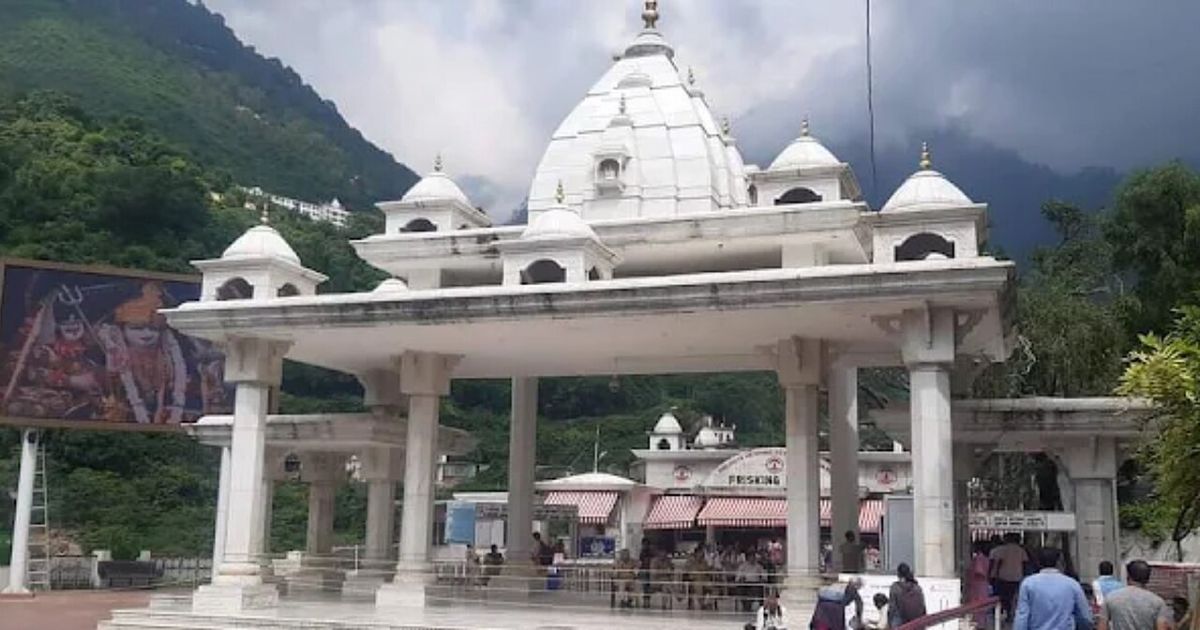
Planning a journey to the holy shrine of Mata Vaishno Devi is not just about reaching a destination. It is about preparation, patience, faith, and surrender. Nestled in the Trikuta Hills of Jammu and Kashmir, the shrine attracts millions of devotees every year. A well-thought-out Vaishno Devi Yatra Planning Guide helps pilgrims focus on devotion rather than logistics, making the journey smoother and spiritually fulfilling.
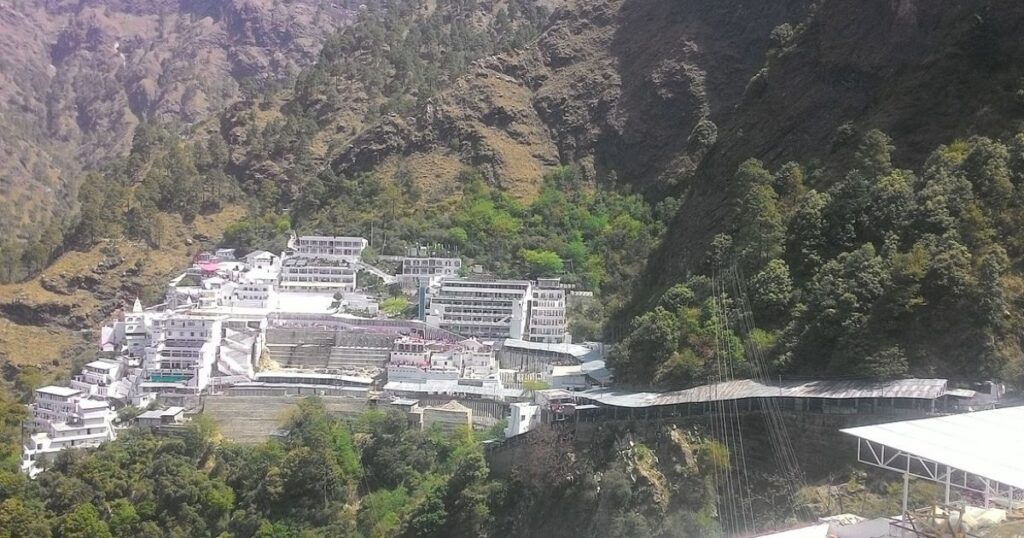
The yatra begins from the base town of Katra and involves a trek of approximately 13 kilometres to the Bhawan. While the route is well developed, proper planning ensures comfort, safety, and peace of mind, especially for first-time visitors.
Understanding the Spiritual Importance of Vaishno Devi
Mata Vaishno Devi is believed to be a manifestation of Shakti. Devotees believe that the yatra happens only when the Goddess herself calls them. This belief adds emotional depth and spiritual significance to the journey.
Pilgrims often experience a strong sense of devotion and unity while walking along the chanting-filled path. Understanding this spiritual context is an essential part of any Vaishno Devi Yatra Planning Guide.
Best Time to Visit Vaishno Devi
The shrine is open throughout the year, but each season offers a different experience.
March to June is pleasant and suitable for most pilgrims. The weather remains comfortable, making the trek manageable. July to September sees monsoon showers, which can make the path slippery but also less crowded. October to February brings cold weather, especially in December and January, when temperatures drop sharply.
Choosing the right season based on physical comfort is a key aspect of a practical Vaishno Devi Yatra Planning Guide.
Reaching Katra
Katra is the base town for the yatra and is well connected.
Pilgrims can reach Katra by train, road, or air. The nearest airport is in Jammu, from where taxis and buses are easily available. Trains directly connect Katra with major Indian cities, making travel convenient.
Arriving a day early helps in resting and completing registration formalities without stress.
Registration Process Explained
Registration is mandatory for all pilgrims.
It can be done online or at the Yatra Registration Counter in Katra. After registration, pilgrims receive a yatra slip, which is checked at multiple points along the route.
Completing registration early is one of the most important steps mentioned in every reliable Vaishno Devi Yatra Planning Guide.
Trekking Options to Reach the Bhawan
Pilgrims have multiple options to complete the trek.
Walking is the most common and spiritually preferred method. Ponies, palkis, and battery-operated vehicles are also available for those who need assistance.
Choosing the right option depends on age, health, and physical stamina. Listening to your body is essential during the journey.
Accommodation at Katra and Along the Route
Katra offers a wide range of accommodation options, from budget lodges to comfortable hotels.
Along the yatra route, the Shrine Board provides clean and well-maintained guesthouses. Booking in advance, especially during peak seasons and festivals, is strongly advised.
Good accommodation planning is an integral part of a stress-free Vaishno Devi Yatra Planning Guide.
Food and Refreshment Facilities
Food is easily available throughout the route.
Langars and small food stalls provide simple vegetarian meals, snacks, and beverages. Drinking sufficient water and eating light meals help maintain energy levels during the trek.
Avoid heavy or oily foods before starting the climb.
What to Carry for the Yatra
Packing wisely enhances comfort and safety.
Comfortable walking shoes, warm clothing, rain protection, basic medicines, and personal identification are essential. Avoid carrying unnecessary items, as light luggage makes the trek easier.
A well-packed bag is often highlighted in every effective Vaishno Devi Yatra Planning Guide.
Health and Safety Tips
Pilgrims should maintain a steady pace and avoid rushing.
Short breaks, proper hydration, and listening to body signals help prevent exhaustion. Those with medical conditions should consult a doctor before the yatra.
Medical assistance and emergency services are available along the route, providing reassurance to pilgrims.
Darshan Process at the Bhawan
Darshan is conducted in an organised manner using a token system.
Waiting times may vary depending on crowd levels. Patience is essential, as the spiritual reward of darshan often outweighs the waiting period.
Maintaining discipline and following instructions ensures a smooth experience for everyone.
Visiting Bhairon Temple
The yatra is considered incomplete without visiting the Bhairon Temple.
Located at a higher point beyond the Bhawan, the temple can be reached by trekking or ropeway. The panoramic views from the top add to the spiritual experience.
Including this visit completes the pilgrimage as mentioned in most Vaishno Devi Yatra Planning Guide references.
Crowd Management and Peak Periods
Navratri, summer vacations, and long weekends attract heavy crowds.
Pilgrims visiting during these periods should expect longer waiting times and plan accordingly. Choosing off-peak days allows a more peaceful darshan.
Advance planning reduces stress during high footfall seasons.
Spiritual Conduct During the Yatra
The yatra is a sacred journey.
Maintaining cleanliness, respecting fellow pilgrims, and following shrine rules enhance the spiritual environment. Many devotees find that walking in silence or chanting improves focus and inner calm.
Spiritual discipline is as important as logistical planning.
Final Thoughts
The Vaishno Devi Yatra is a journey of faith, endurance, and devotion. With proper preparation, the pilgrimage becomes a deeply fulfilling experience rather than a physically taxing one.
Following a thoughtful Vaishno Devi Yatra Planning Guide helps pilgrims move with confidence, comfort, and spiritual clarity. When approached with sincerity and patience, the journey leaves lasting memories and a sense of inner peace that stays long after returning home.